About Franco Bagaglia
I am an AI professor and Digital Humanism scholar working at the intersection of technology, culture, and ethics. My mission is to build bridges between code and society, helping institutions design systems that advance human dignity, agency, and accountability.
Franco Bagaglia
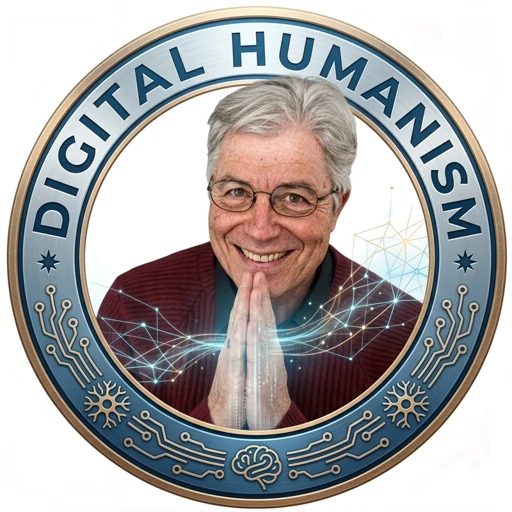
I am a University Professor of Artificial Intelligence and a Digital Humanist by vocation. I deeply believe that technology, when guided by humanistic ethics, can become an extraordinary tool to democratize knowledge and support lifelong learning.
My work answers one urgent question: how do we keep competences from expiring in a job market that changes faster than curricula?
In recent years, I have specialized in AI with a clear goal: to help students and professionals consciously face the ongoing scientific revolution. For me, AI literacy is not just a technical skill, it is a cultural act, a path of growth and critical awareness. I believe that integrating AI into educational paths can strengthen language learning and offer valuable tools to understand the social dynamics of our time.
My mission is to form free minds, curious and capable of inhabiting the digital world with responsibility.
Taste the True Digital Humanism.
Access a living library of 1000+ articles dedicated to the intersection of technology and humanity. This is not just news, it is lifelong learning in action, the essential paradigm of the new millennium. Prepare your mind for the revolution.
💬 Join the WhatsApp Channel
Join the passionate community. Daily inspiration & real-time thoughts.
Join →
umanesimodigitale.info
A living library of 1000+ articles, daily updates, and a fully human focus on the digital revolution, in Italian.
Enter the Archive →Recent Writings
A short selection from the blog. For the full index, explore the archive.
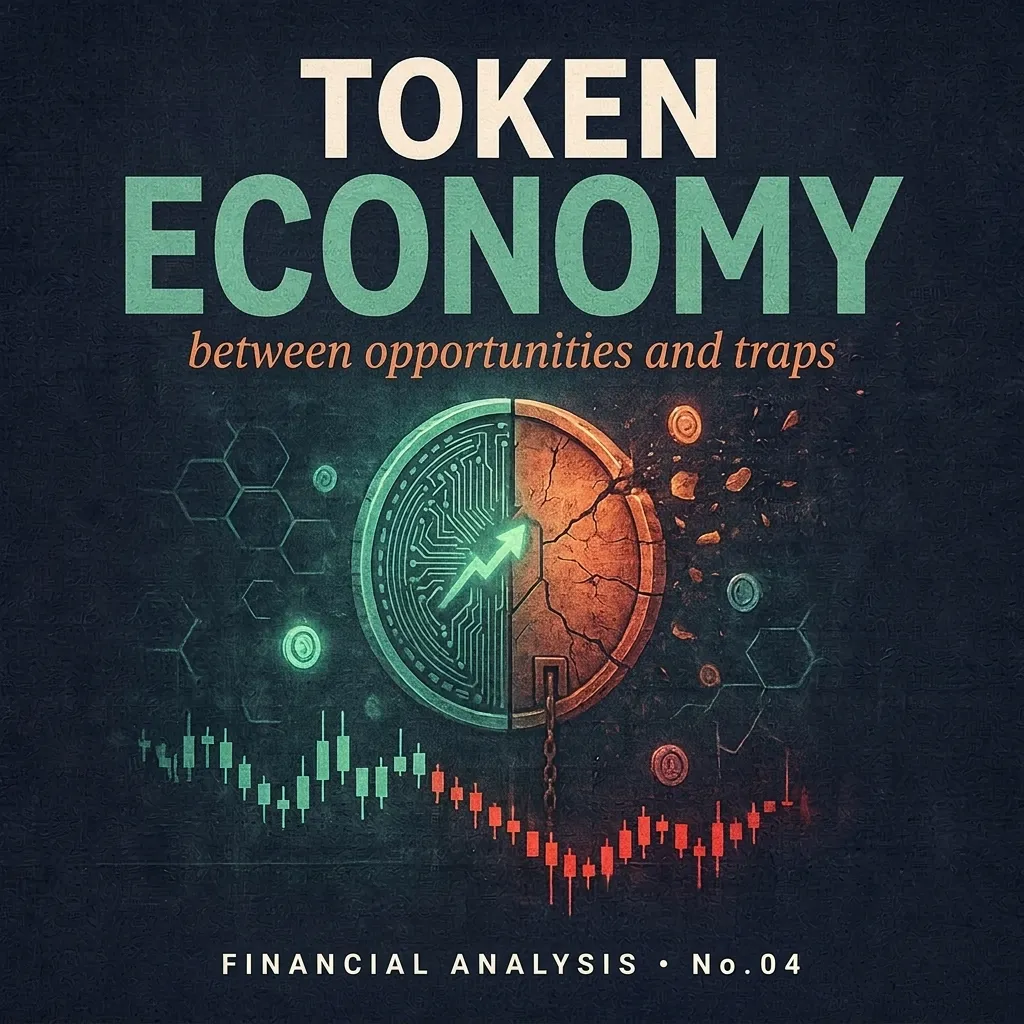
Token Economy: The Illusion of Free Value
Read all →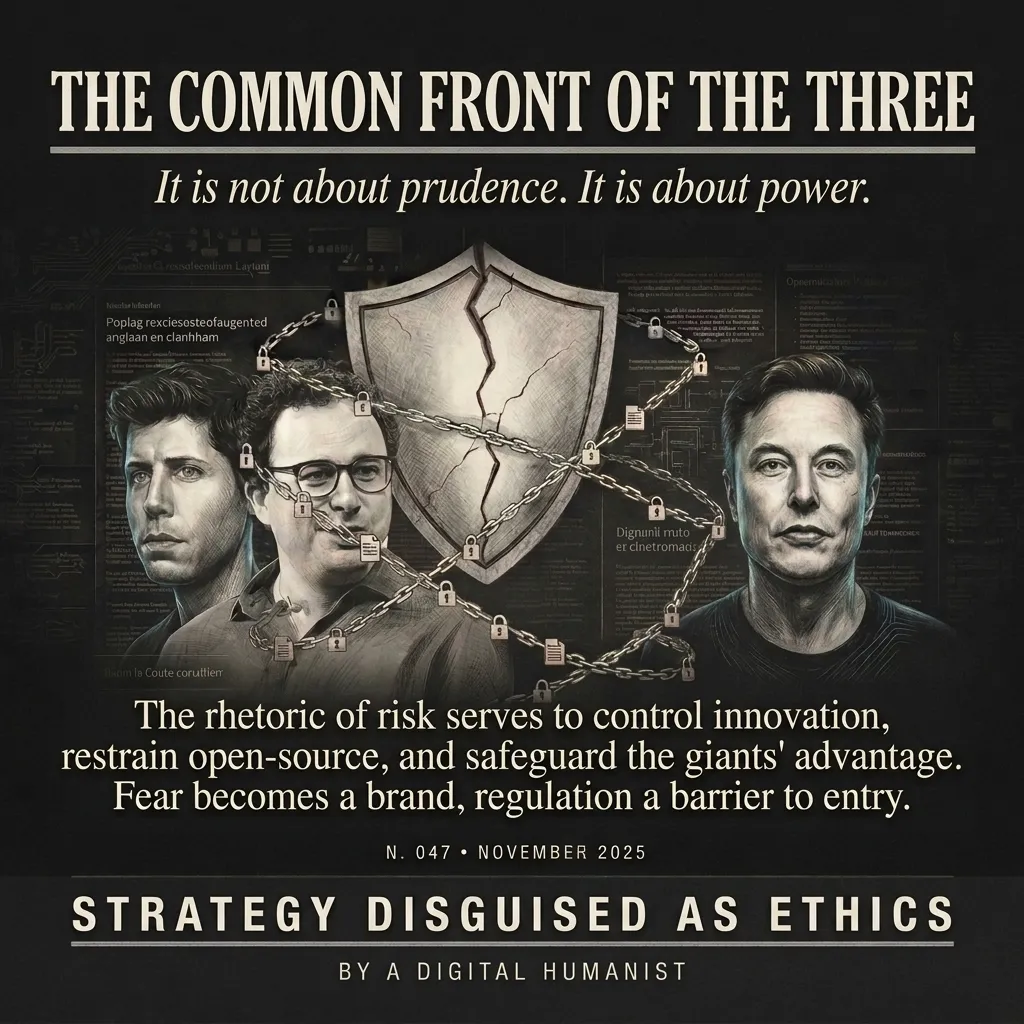
The Three Titans' Alliance: Power Play or Ethical AI?
Read all →
AI and Navier-Stokes: Breakthrough or Illusion?
Read all →
When Intelligence Becomes Common, Judgment Becomes Rare
Read all →
The Revolution Within the AI Revolution: Huawei's Rise
Read all →
Seeing the World Sideways: Neurodiversity and Empathy
Read all →Academic Pillars
🌱 Mentorship
Who I mentor: graduate students, early-career researchers, civic technologists, and mission-driven founders working on human-centric AI.
Expectations: preparedness, clarity of goals, respect for time, and willingness to iterate.
Cadence: typically monthly or project-based, with shared notes and clear milestones.
How to request: send a concise note outlining your project, timeline, and specific questions. If there’s a fit, we’ll schedule a short intro call.
🎓 Teaching
Courses: AI Ethics & Policy; Human-Centered Machine Learning; Critical Data Literacy.
Pedagogy: learning by doing, debating, and building. I favor projects that surface trade-offs and reward thoughtful process as much as outcomes.
Key learning goals: practice ethical reasoning under ambiguity; design humane interfaces and policies; communicate across technical and cultural domains.
🔬 Research Focus
I study how we embed human values into AI systems and institutions. My aim is pragmatic: produce ideas that teams can use on Monday morning without losing philosophical rigor.
Current threads: AI accountability beyond algorithms · digital humanism in practice · governance mechanisms under uncertainty.
📬 Contact
Available for global keynotes, interviews, and expert commentary on AI Ethics & Digital Humanism.
For interviews: media commentary on AI in education, the digital divide, and skills gaps.
Email: franco.bagaglia@umanesimodigitale.info · Phone/WhatsApp: +39 335 8470 162
Response usually within 24 hours (weekdays, CET).
Contact FrancoThe Awareness Pyramid
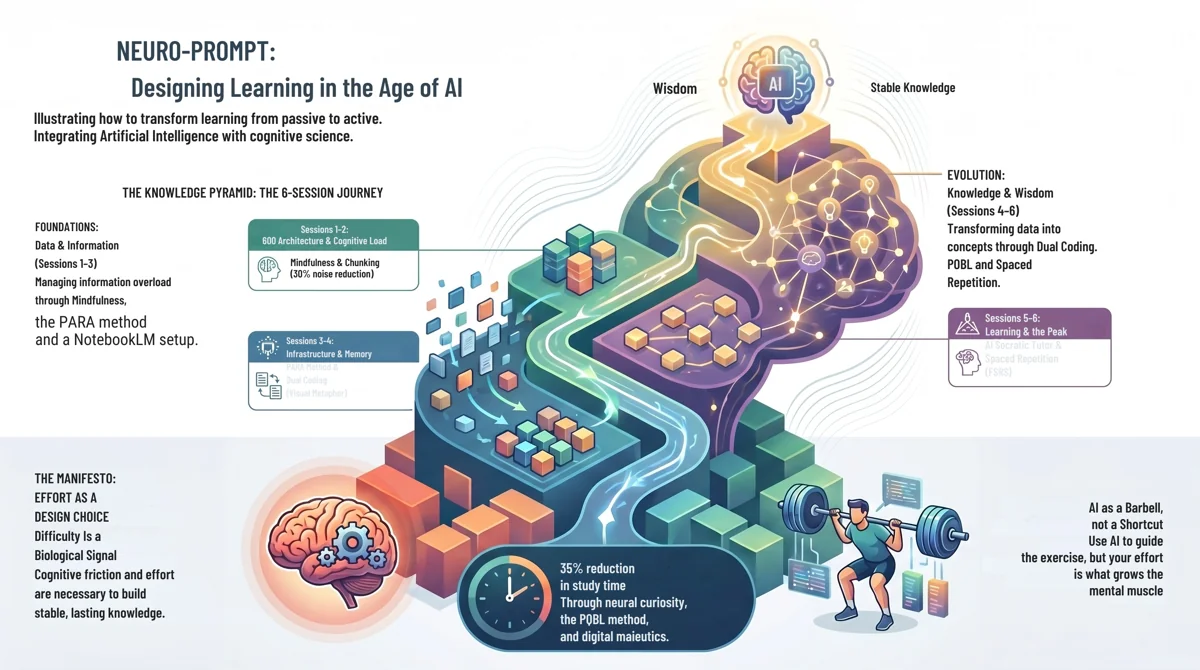
My framework builds Digital Humanism from the ground up. We don’t start with machines; we start with the mind. A lifelong-learning stack: critical mindset → digital competence → AI.
Reclaiming Mind Over Machine
We live immersed in an infodemic storm. The infosphere assaults us daily with an uninterrupted flow of stimuli, notifications, and disconnected data fragments, generating constant cognitive anxiety and overloading our limited working memory. Often, in a futile attempt to defend ourselves, we accumulate links and PDFs in endless "digital cemeteries," falling under the illusion that saving information is equivalent to having learned it.
The response of Digital Humanism to this drift is a cognitive rebellion: forcing technology to serve humanity. We must not delegate critical thinking to machines; instead, we must outsource the mechanical burden of storage. This is how the architecture of Augmented Learning is born: a structured journey to ascend the four stages of the Knowledge Pyramid (DIKW), transforming a simple collection of notes into an effective Second Brain powered by robust cognitive models.
Four stages, one ascension:
Learning is not activated by duty, but by intention and an ethical concern for the world. Facing the chaotic tide of the infosphere, the learner selects only what resonates deeply and deposits it in the sterile transit area 01_Raw. This effortless gesture immediately unburdens our "mental desktop." Cognitive Load Theory teaches us that the biological brain can only process 4 to 7 pieces of information at once; outsourcing data logistics instantly reduces stress and prepares the hippocampus to absorb new knowledge.
Raw data is purified from noise, standardized, and enriched with YAML metadata. The files are then distributed into the folders of the PARA method (Projects, Areas, Resources, Archives) based on their practical actionability, transforming into clean, ready-to-use information. This is where the structural foundation of your effective Second Brain is laid.
Isolated pieces of information remain sterile. The transition to true knowledge occurs when the learner builds active semantic bridges, creating bidirectional links (Wikilinks) in Obsidian. Leveraging Allan Paivio’s Dual Coding theory, the spatial visualization of Obsidian’s Graph simultaneously activates both the verbal channel (text) and the non-verbal channel (visual relationships), cutting anxiety in half and revealing the geography of one’s thoughts. Here, your Second Brain shifts from a static database to a dynamic, relational reflection of your mind.
Wisdom belongs entirely to the human being; it is the capacity to use knowledge to act critically and ethically in reality. This level flourishes when we configure AI as a Socratic Tutor. Through Question-Based Learning and by introducing the constructive friction of "desirable difficulties" (Bjork), the machine challenges us with progressive questions based on our own graph, while Spaced Repetition algorithms mathematically defeat the forgetting curve. This active dialogue is what makes your digital ecosystem an effective Second Brain, turning external data into biological, long-term memory.
The Two Engines of Our Understanding
To govern daily complexity effortlessly, this model clearly separates tasks through two complementary tools:
The rapid, cloud-based workshop where you analyze and deconstruct raw sources to ignite the first "spark" of knowledge.
The local, sovereign temple where insights are consolidated, interconnected, and subjected to active review.
The formula is elegant and simple: NotebookLM helps you understand; your effective Second Brain allows you to remember and create. Wear technology as armor, and reclaim your time to think.