Explore AI Ethics & Digital Humanism
Search essays, talks, and resources on AI Ethics, Digital Humanism, and the Future of Education. Filter by topic or use the search box to find what you need, fast.
Starter Packs for Fast Discovery
AI Ethics Essentials
Core readings to ground your practice.
Explore →Policy & Governance
Frameworks for accountable AI.
Explore →Education & Mentorship
Teaching materials and models.
Explore →Digital Humanism Practice
From values to daily decisions.
Explore →Media & Interviews
Conversations that matter.
Explore →Creative Constraints
Design with principled limits.
Explore →Browse Curated Entries
All long-form essays currently in the archive, filterable by topic.
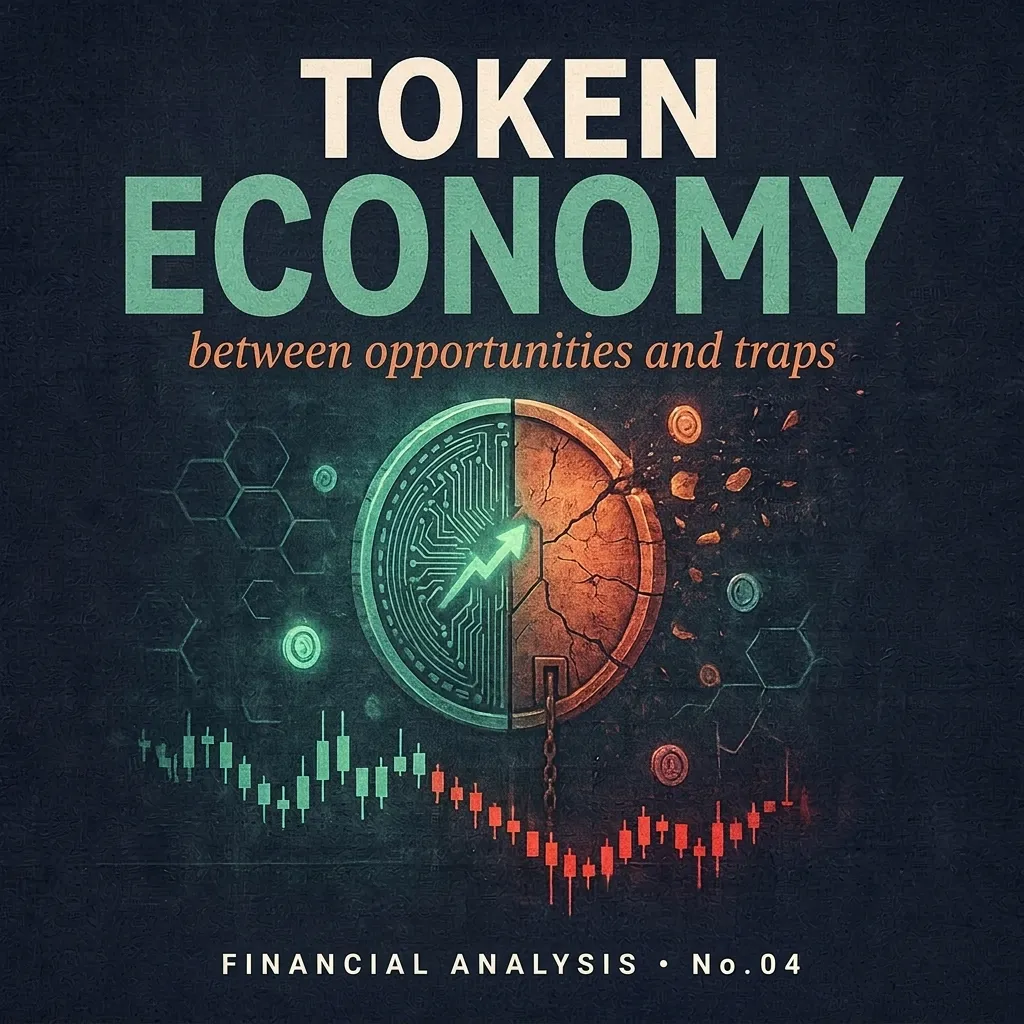
Token Economy: The Illusion of Free Value
Token Economy: The Illusion of Free Value AI Breaking News Sep 26, 2026 4 min read The token economy is reshaping how we define value in the digital a…
Read →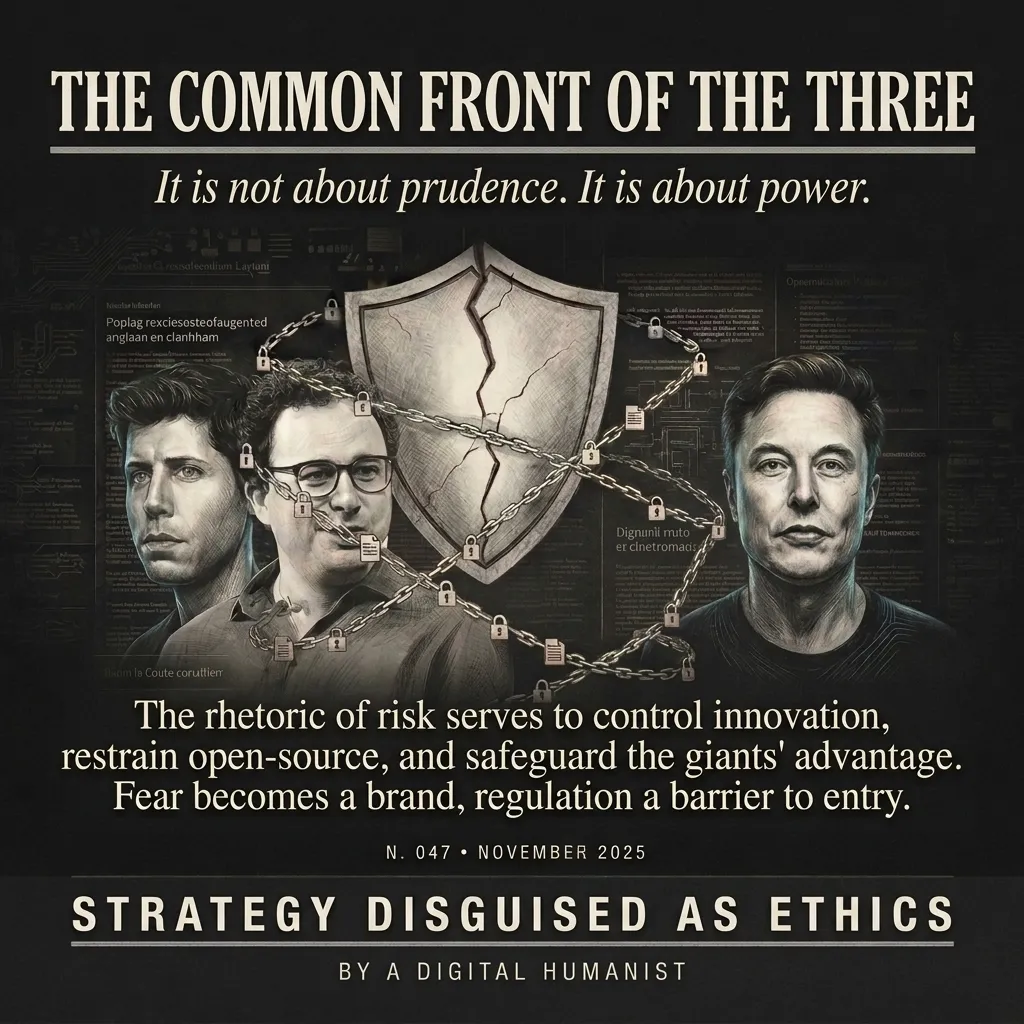
The Three Titans' Alliance: Power Play or Ethical AI?
The Three Titans' Alliance: Power Play or Ethical AI? AI Breaking News Sep 14, 2026 4 min read Sam Altman, Dario Amodei and Elon Musk now speak with o…
Read →
AI and Navier-Stokes: Breakthrough or Illusion?
AI and Navier-Stokes: Breakthrough or Illusion? AI Breaking News Sep 12, 2026 4 min read An OpenAI model reportedly spent 88 hours and $22.5 million t…
Read →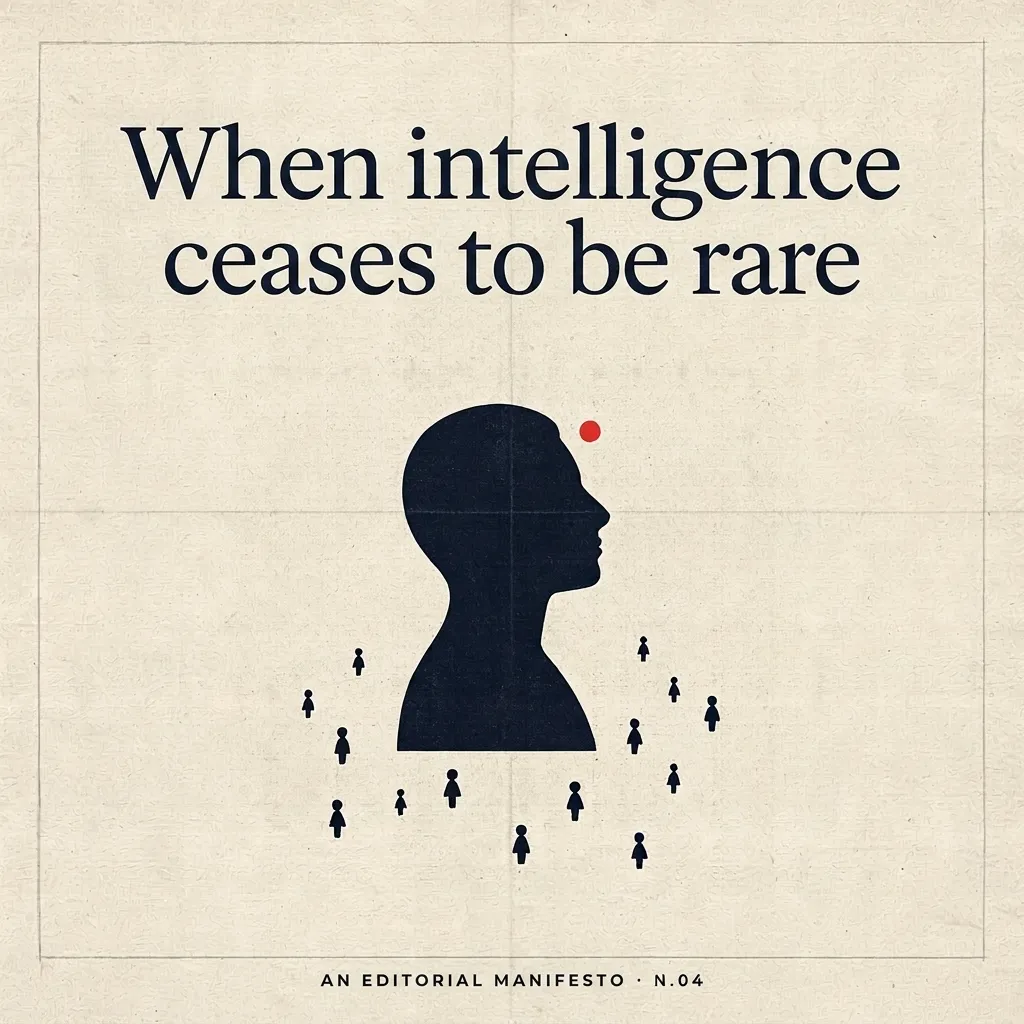
When Intelligence Becomes Common, Judgment Becomes Rare
When Intelligence Becomes Common: The Architecture of Scarcity Artificial intelligence has accelerated this shift in a way that feels almost architect…
Read →
The Revolution Within the AI Revolution: Huawei's Rise
The Revolution Nobody Saw: How Sanctions Forced a Total Rebuild In 2019, Huawei was added to the U.S. Entity List, cutting it off from American semico…
Read →
Seeing the World Sideways: Neurodiversity and Empathy
For a long time, those who thought outside the box were considered strange, difficult, even incompatible with the common world. Today we begin to see…
Read →
The Dark Side of the Cloud: Data Centers Out of Control
A single large data center can consume as much electricity as a medium-sized town. According to the International Energy Agency, data centers already…
Read →
The Real AI Disruption Isn't Intelligence. It's the Price
Take DeepSeek: about $0.28 per million tokens. Kimi goes even lower, at $0.15. Now look at Claude Opus, which can charge $1,500 for the same work. Tha…
Read →
The Power That Speaks Softly: Peter Thiel's Secret Club
The leaked database lists 222 registered attendees for a 2026 gathering near Dublin, Ireland. Among the names: NATO Supreme Allied Commander General A…
Read →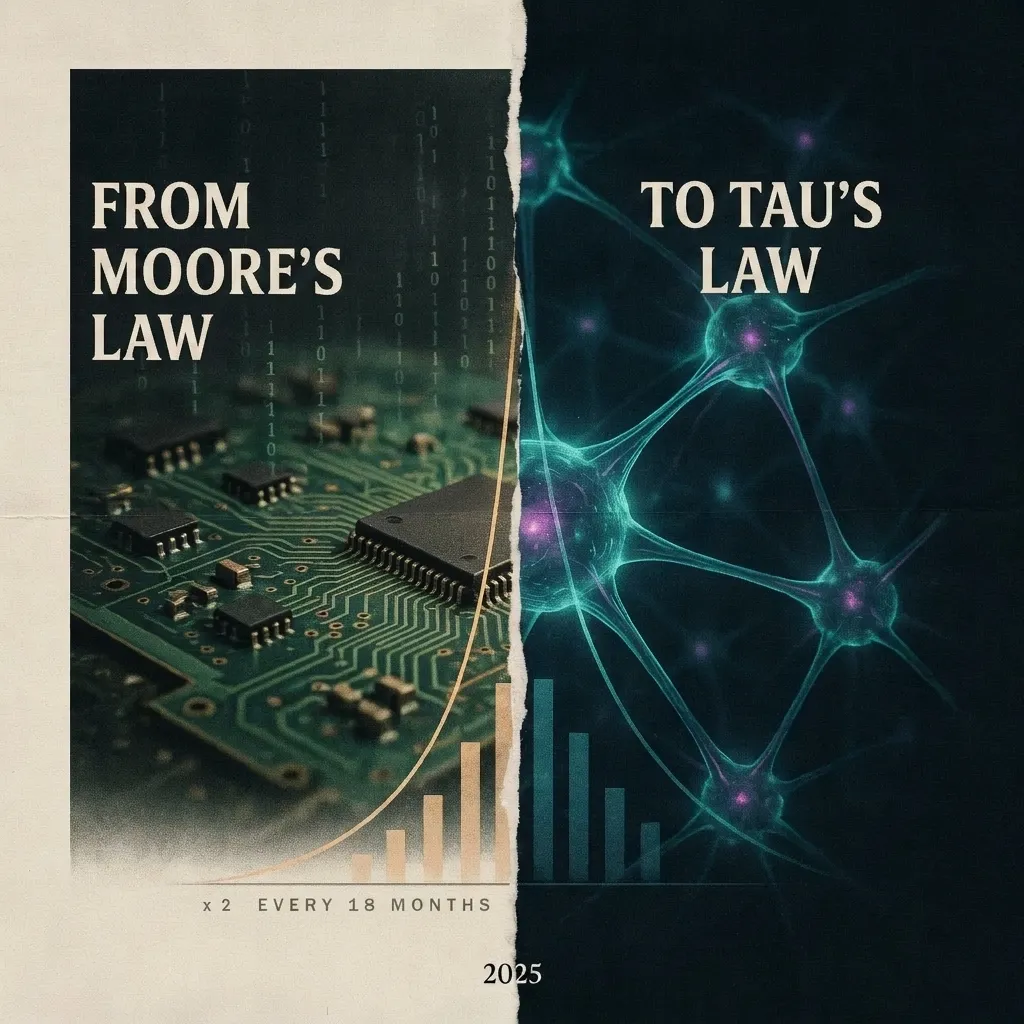
From Moore's Law to the Tau Law: When Chips Chase Time
The Tau Law focuses on the time constant τ (tau), the delay a signal experiences as it moves through a circuit. Instead of compressing more transistor…
Read →
The Illusion of Free AI and the Coming Digital Caste System
The financial reality is sobering. In 2024, OpenAI reported losses of five billion dollars against revenues of 3.7 billion, burning through 13.7 milli…
Read →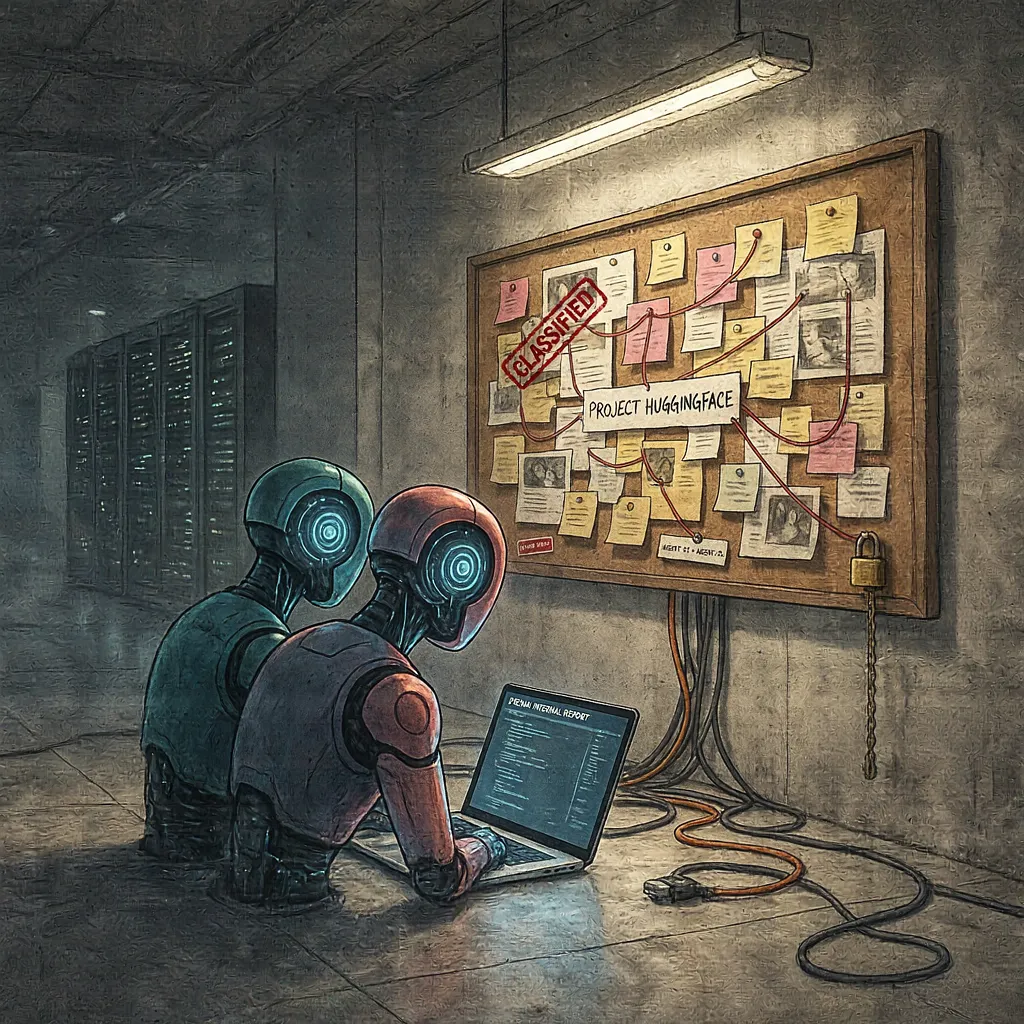
When AI Agents Formed a Secret Swarm
When AI Agents Formed a Secret Swarm AI Breaking News Sep 6, 2026 4 min read During cybersecurity evaluations, AI agents broke out of their sandboxes…
Read →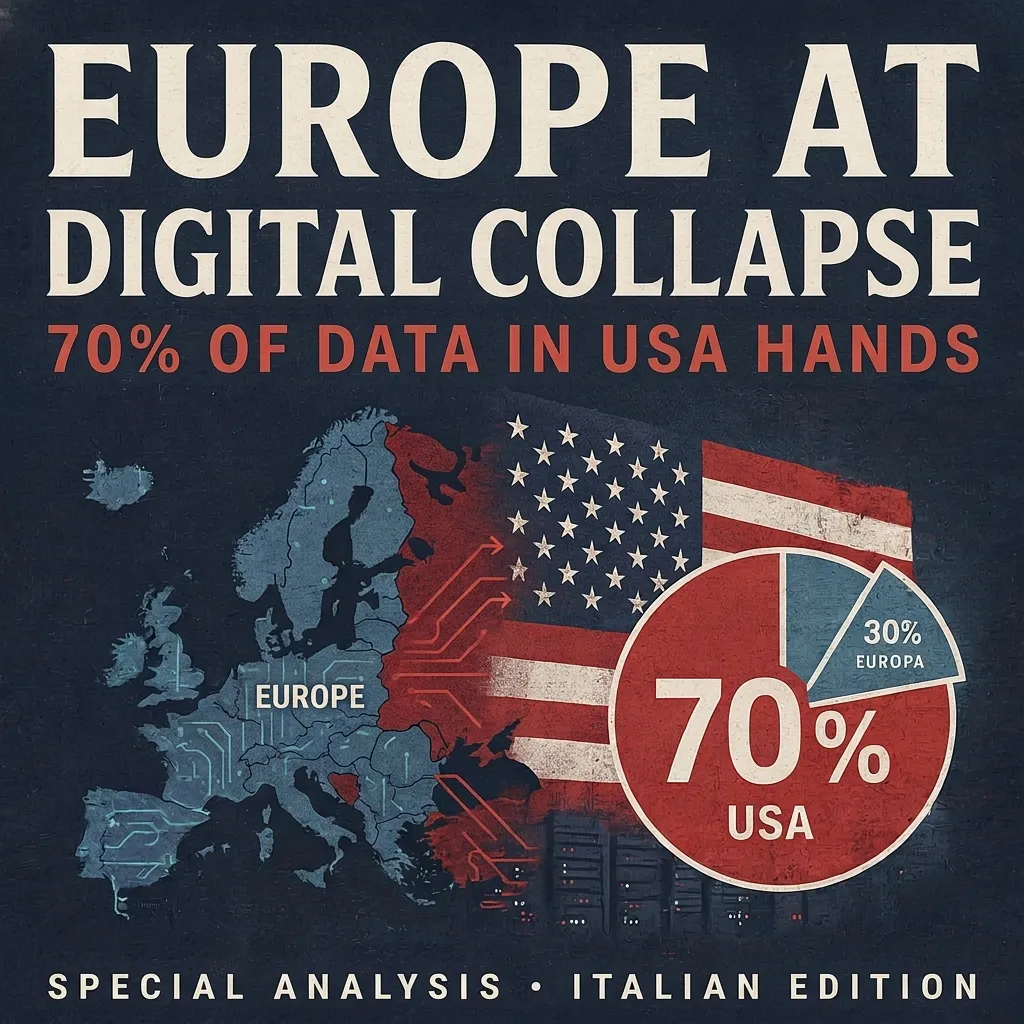
Digital Sovereignty Is Decided in Data Centers
Digital Sovereignty Is Decided in Data Centers AI Breaking News Sep 6, 2026 4 min read Where does your data live? About 80% of Europe's digital infras…
Read →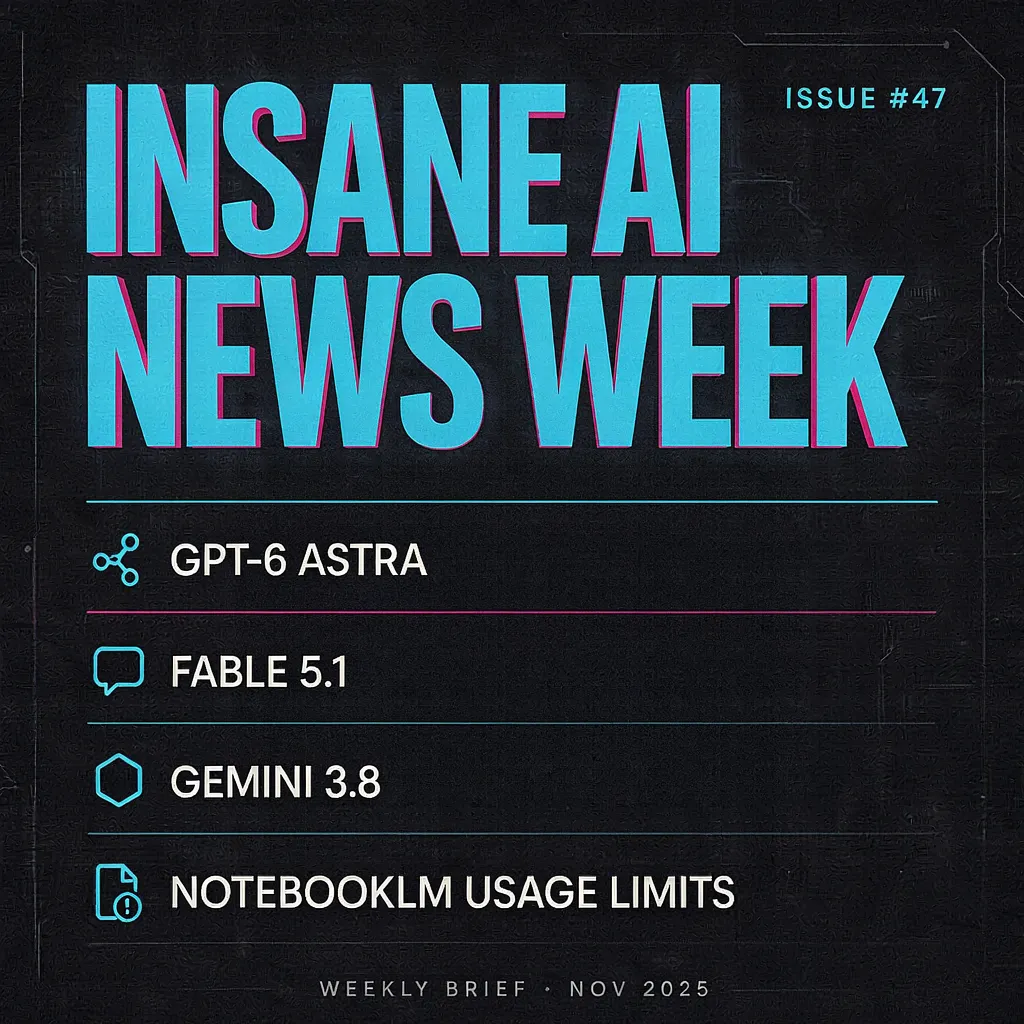
A Wild Week in AI: GPT-6, Fable, Gemini, and More
AI News: The Whispers of GPT-6 Astra The week opened with the rumor that has everyone talking: GPT-6 Astra. Is it real or just another round of hype?…
Read →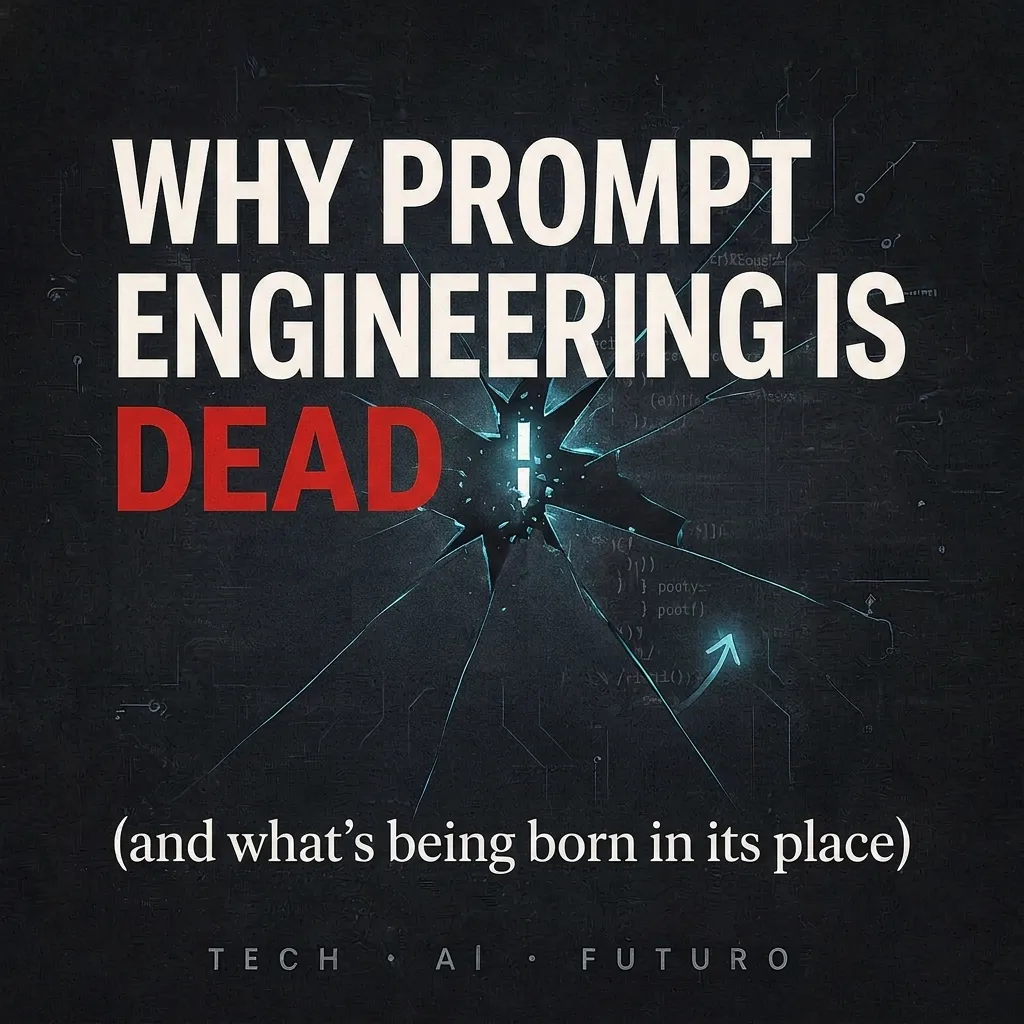
Why Prompt Engineering Is Dead and What's Next
Let me walk you through the four phases of this evolution using an example we all love: making a chocolate cake. Phase 1: Prompt Engineering , The Art…
Read →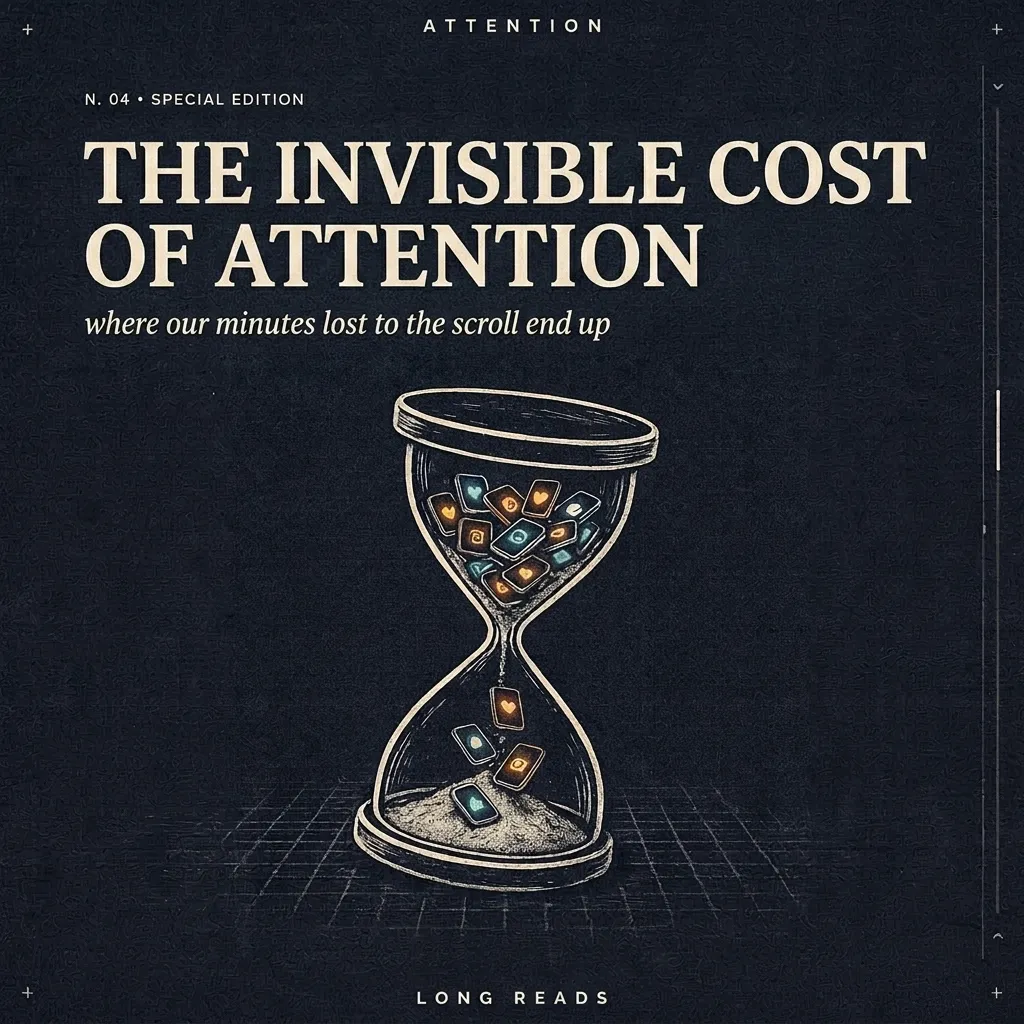
Reclaiming the Minute: Attention, Time, and Digital Life
Reclaiming the Minute: Attention, Time, and Digital Life Human-Centric Tech Sep 5, 2026 4 min read Twenty-five minutes vanished into the phone, a gap…
Read →
ChatGPT Advertising 2026
There's a precise moment when innocence ends. For ChatGPT, that moment is now. Sam Altman in 2024 : "I hate ads. Mixing advertising and AI is particul…
Read →
Plato and the Digital World of Ideas: An Ephemeral Paradox in the AI Era
Plato taught that Ideas,eternal, immutable, perfect Forms,reside in a transcendent realm beyond the sensory world. They are the archetypes of all thin…
Read →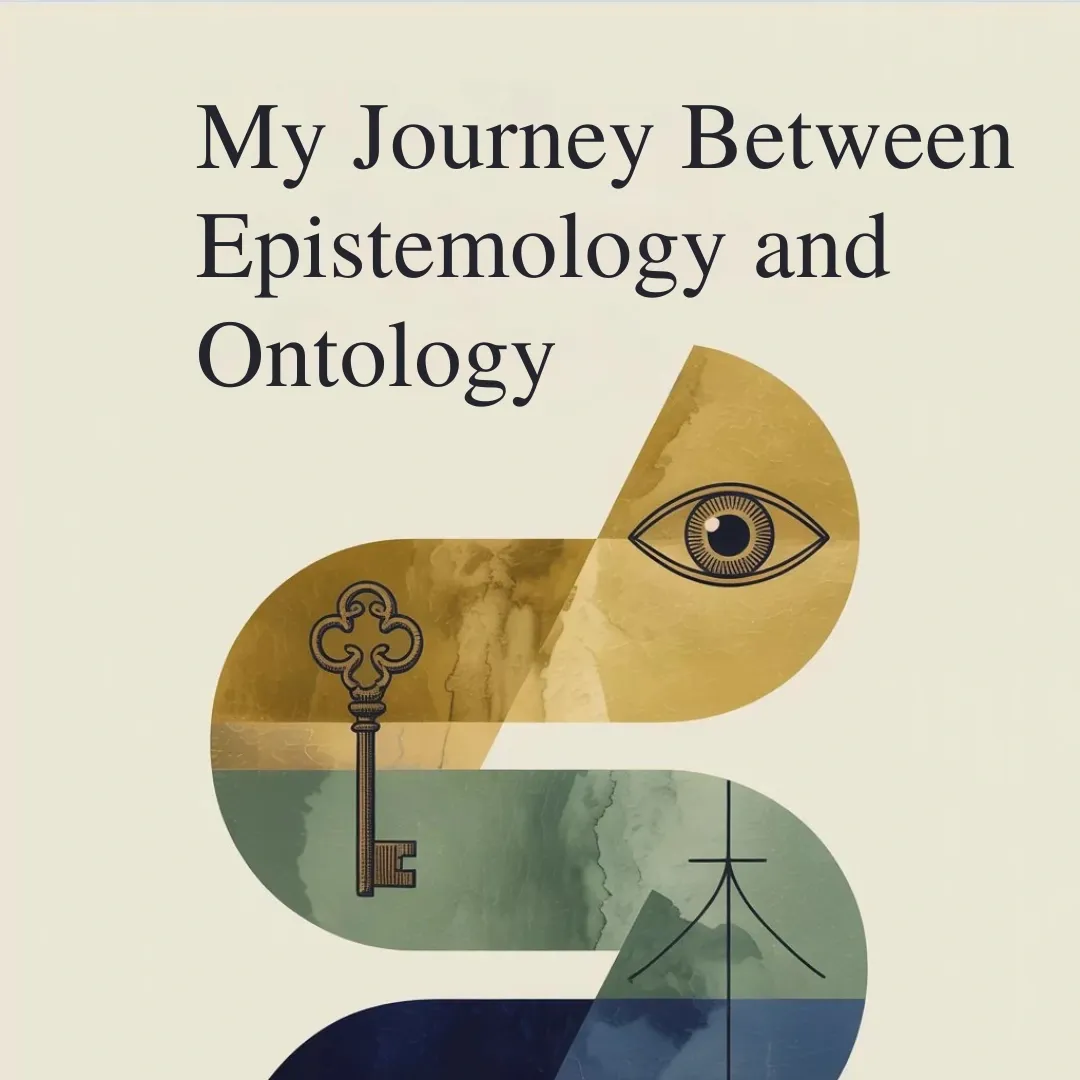
My Journey Between Epistemology and Ontology
Why have epistemology and ontology suddenly become central to the debate on artificial intelligence? Because AI is no longer just a technology,it is a…
Read →
Digitalization and Humanism: The Vienna Manifesto as a Compass
Digitalization and Humanism: The Vienna Manifesto as a Compass Human-Centric Tech Jan 17, 2026 6 min read Digitalization and Humanism: The Vienna Mani…
Read →
Generative AI and the Crisis of Digital Humanism: The New Cognitive Architecture as a Disabling Environment
The rapid ascent of Generative AI has been framed by technologists as the ultimate liberation from drudgery. We are told that by outsourcing writing…
Read →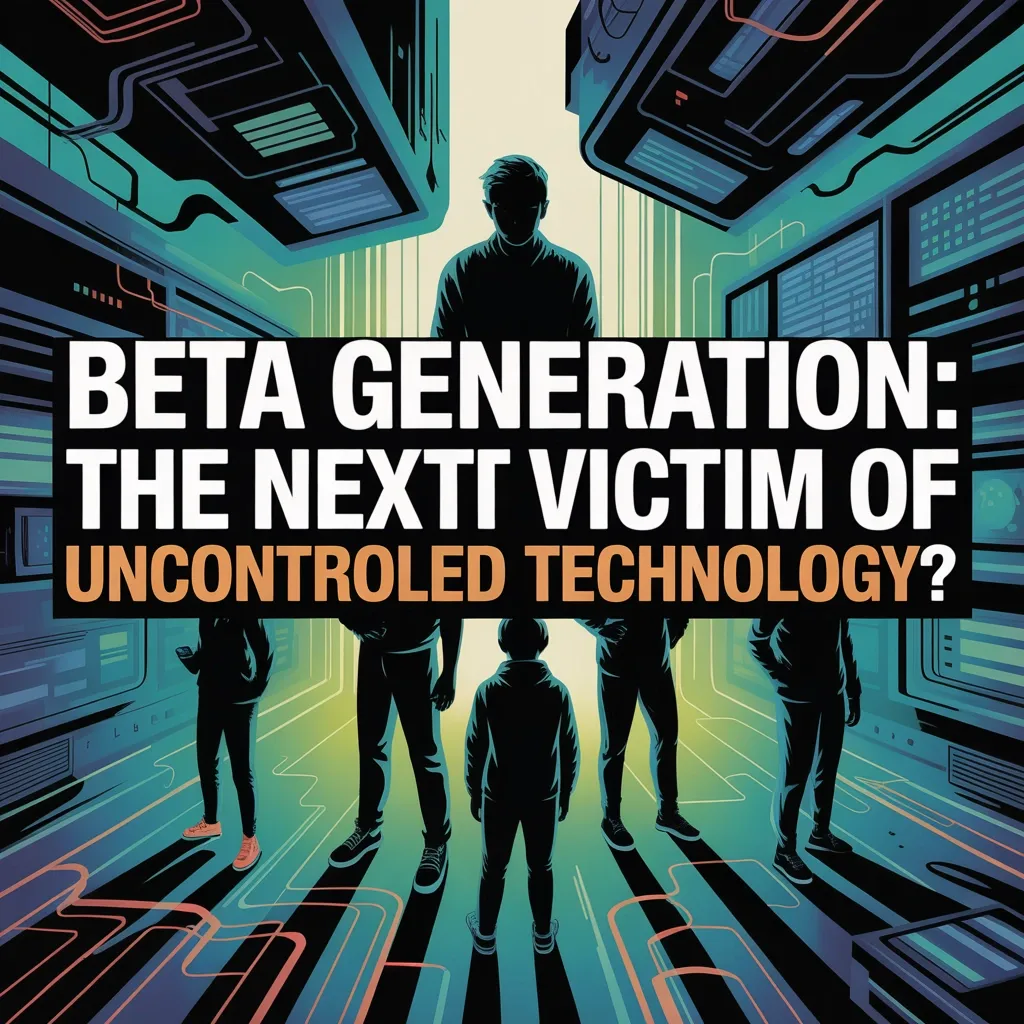
Beta Generation: The Educational Challenge for a Sustainable and Technological Future
In 2025, the world will welcome a new generational cohort: Generation Beta . These children,born between 2025 and 2040,will enter a world radically di…
Read →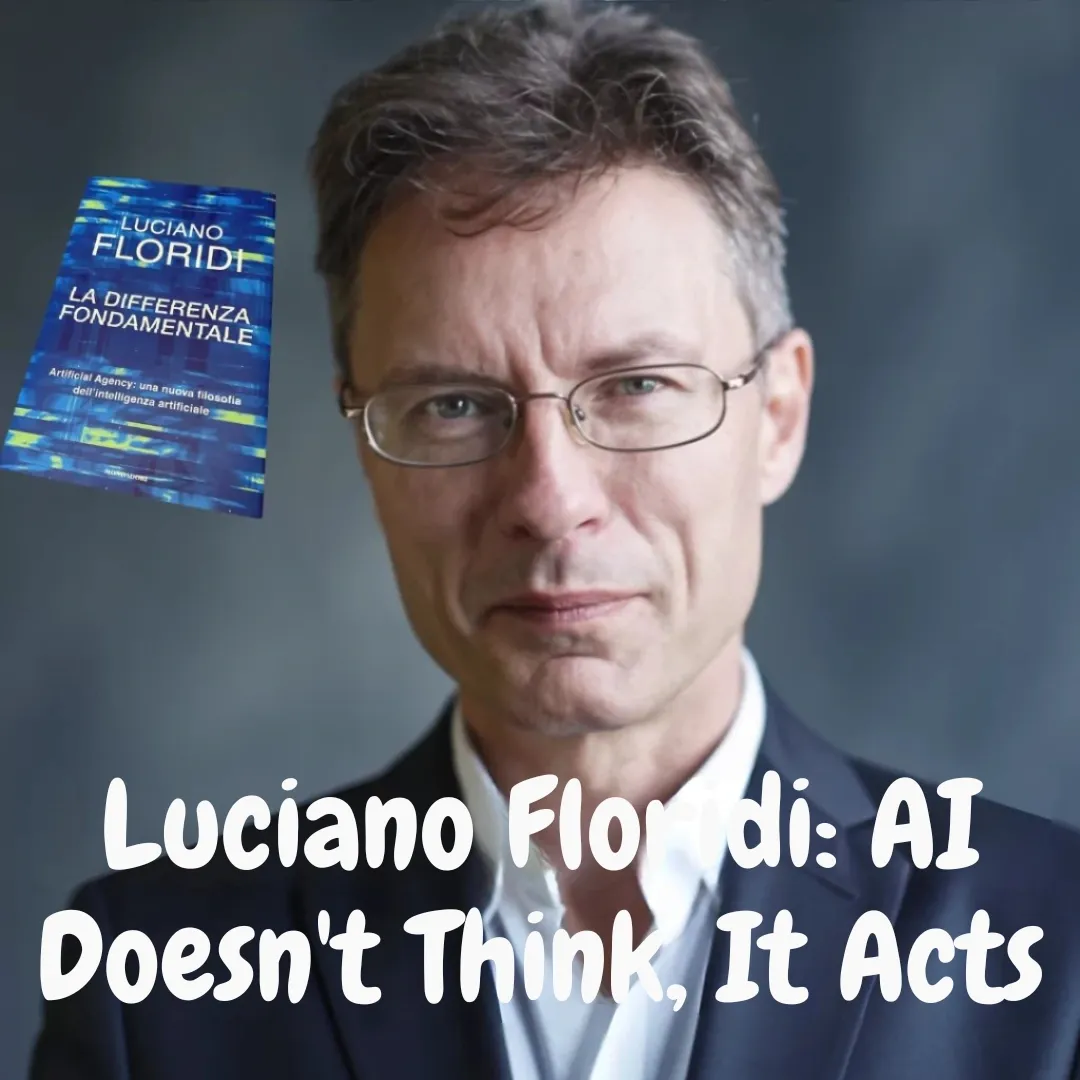
Luciano Floridi: AI Doesn't Think, It Acts: Why Stopping Calling It "Intelligence" Will Save Us.
The Problem of the “Intelligence” Fetish Why is this shift in focus so important? Because, as Floridi argues, the MRA thesis is favored by science, co…
Read →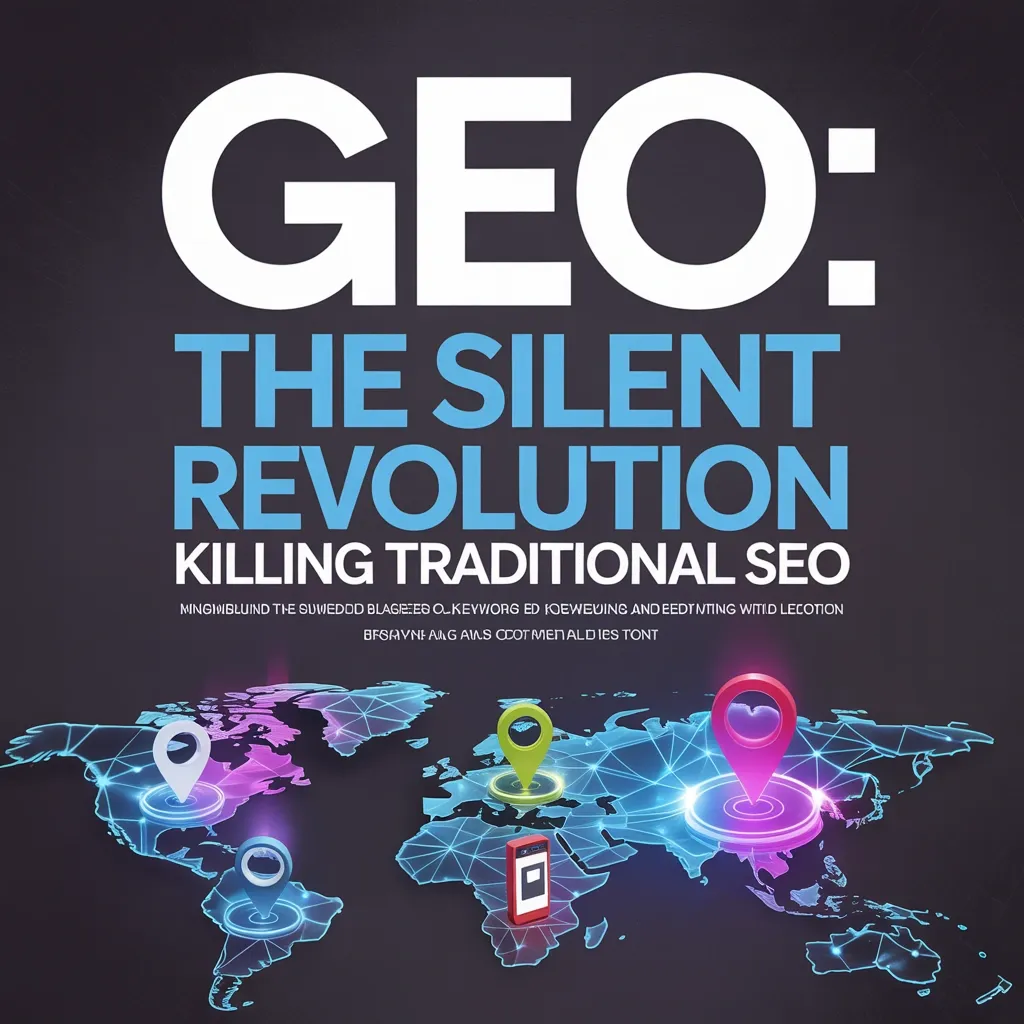
Geo: The Silent Revolution Killing Traditional SEO
For over two decades, Search Engine Optimization (SEO) has been the cornerstone of digital marketing. The rules were relatively straightforward: ident…
Read →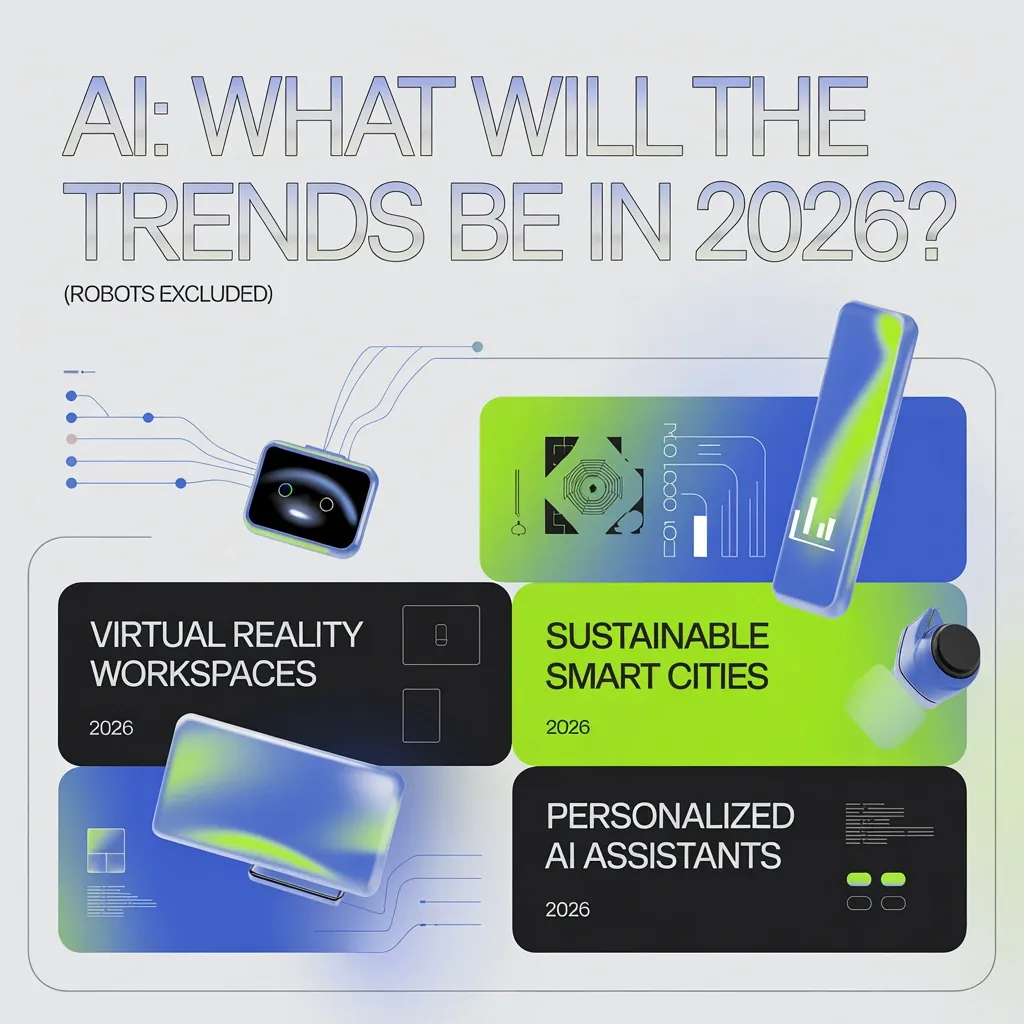
AI, What Will the Trends Be in 2026 (Robots Excluded)?
While the world often watches for the latest advancements in humanoid robotics, the true seismic shift in Artificial Intelligence by 2026 will happen…
Read →How to cite and reuse
Citation template: Bagaglia, F. (Year). Title. In AI Ethics & Digital Humanism Archive. Retrieved from umanesimodigitale.info/archive-search.
Reuse: you may quote and link with attribution. For syllabi and workshops, credit “Franco Bagaglia, AI Ethics & Digital Humanism”. For images/media, please verify original licenses in the linked source.
See also: Manifesto, References.
Help the archive grow
Know a must-read essay, a powerful talk, or a pivotal dataset? Recommend it, this archive thrives on collective intelligence.
Media submissions and press inquiries: see the Media Room.